Empower US Post Office Security with Extended PoE Video Surveillance

The United States Postal Service (USPS) plays a vital role in connecting people and businesses across the country. As technology continues to advance, the USPS has recognized the importance of incorporating modern solutions to enhance their operations. One such advancement is the integration of video surveillance systems in post offices nationwide. In recent times, the implementation of Power over Ethernet (PoE) technology has revolutionized the way these surveillance systems are powered and connected to the internet. This article delves into the use of internet and Ethernet technologies in US post office video surveillance systems, highlighting their benefits and impact on security and operational efficiency.
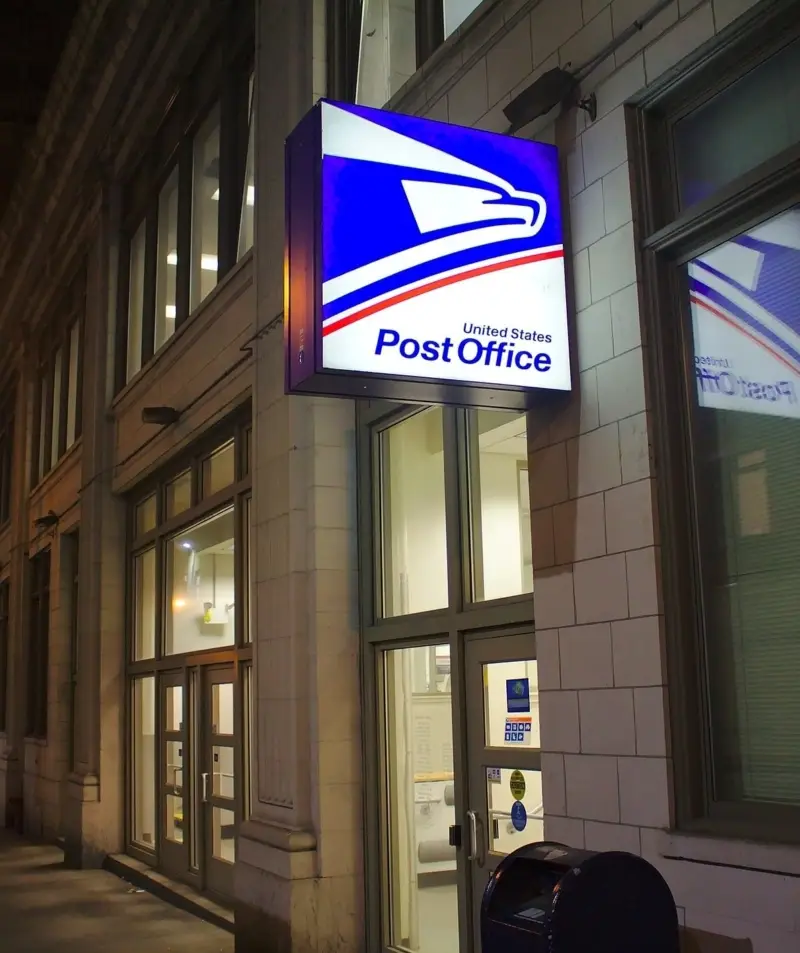
Securing the Public’s Assets – US Post Office Facilities
The USPS has been deploying IPv6-capable video surveillance system to 40,000 postal sites across the country for over 4 years now using EnableIT PoE Extenders. Several well known trusted security integrators such as ADT and Diebold standardized on PoE Extenders from PoEx to ensure long distance, high-quality video surveillance. The enhanced viability through easy extended PoE IP cameras provides the USPS with superior low cost security surveillance coverage and network management capabilities. These PoE IP video platforms have been integrated into the existing USPS network.
Video surveillance is critical for the USP Office to prevent and investigate burglaries and other security incidents that occur inside and around USPS facilities. The PoE Extended IP-based cameras and systems offer features unavailable in traditional closed circuit television (CCTV) systems. For example, the ability to view live video from remote locations through an Internet connection.
The PoE Extended IP-based cameras and systems provide the USPS with better abilities to centralize video surveillance and security operations. Unlike an analog CCTV system, a digital IP-based system provides an easier means to store video footage for later search and retrieval during an incident investigation.
The need for security in government buildings is something that most citizens won’t argue with. But while police officers may guard a courthouse, some people may wonder why it is that buildings such as a post office need to have security cameras. The answer is obvious: a post office is a potential target for criminals just as surely as any other government building is. The US Post office also has internal theft and incidents of workplace violence that need to be under surveillance to reduce any occurrences.
The rollout and use of PoE Extenders has been and is coordinated by the USPS Office of Inspector General (OIG) and the U.S. Postal Inspection Service. The USPS OIG is an independent entity dedicated to the USP Office, while the Inspection Service is a division of the USPS responsible to ‘secure the nation’s mail systems’ and investigate incidents involving the postal system, including the physical security of the facilities.
Part of the USPS’ goals for mandating this IP based video solution was the use of Enable-IT PoE Extenders to be able to increase surveillance coverage both inside and outside of US Postal facilities at a low cost.

US Post Office PoE Extender Uses
- Interior – Most post offices have some security cameras inside the building. Those cameras watch transactions, the lobby, and who uses the post office boxes. They are the cameras that people traditionally think of when they think of security cameras. In some locations, the distance for installing PoE IP based cameras was beyond the Ethernet distance limit of 100m or 328ft. Simple single power source PoE Extenders drove the power and Ethernet data signal up to 2,500ft away.
- Exterior – Some post offices also have exterior security cameras to monitor the outside of the building, including the side and main entrances and perhaps even parking lots. Many of those cameras swivel to watch larger paths of entry, and they may view other nearby buildings as well. Almost all of these locations required weatherproof PoE Extender solutions in order to provide maximum visibility and coverage.
- Deterrence – The primary purpose of having security cameras in and around a post office building is deterrence. Post offices have been the victims of robberies and violent crimes in the past. If criminals or would-be criminals know there are cameras in the building, then they may avoid targeting a post office. The cost savings per facility using PoE Extenders vs fiber solutions and additional power outlet locations allows for more visible IP Cameras to be deployed.
- Accountability – Many of the security measures that are taken with cameras are directed at postal employees as well as outside threats. Having security cameras focus on the employees, especially those who handle money and packages, will help ensure honesty and accountability from the post office in case there are unexplained losses. Again, the cost savings per facility using PoE Extenders vs fiber solutions and additional power outlet locations allows for more visible IP Cameras to be deployed.
- 24 Hours – Because security cameras can function at all times, the post office is observed 24 hours at a time. That provides round the clock protection, and if something does happen the cameras will be instrumental in discovering who committed the crime. By leveraging PoE Extenders, each facility was able to centrally locate backup power to critical IP Cameras vs having to buy and maintain several individual UPS backup systems throughout each facility.

Benefits of PoE in Post Office Video Surveillance
- Simplified Installation: PoE eliminates the need for additional power outlets near each camera, allowing for greater flexibility in camera placement. This simplifies the installation process, reduces cabling requirements, and minimizes disruption to daily operations.
- Cost-effectiveness: PoE reduces installation and maintenance costs by eliminating the need for separate power cables and associated electrical work. Additionally, it enables centralized power management and monitoring, leading to more efficient resource allocation.
- Scalability and Flexibility: PoE infrastructure allows for easy scalability, making it convenient to add or relocate cameras as needed. It also enables remote management and monitoring of cameras, providing greater flexibility in responding to security concerns.

Integration with Internet and Ethernet Technologies
- Remote Monitoring and Management: With video surveillance systems connected to the internet via Ethernet, post office authorities can remotely monitor multiple locations from a centralized control center. This allows for real-time monitoring, quick response to incidents, and effective decision-making.
- Video Analytics and Intelligent Monitoring: Internet connectivity enables the utilization of advanced video analytics algorithms. These algorithms can analyze video feeds to detect suspicious activities, track package movement, and enhance overall security measures within post offices.
- Integration with Access Control Systems: Integrating video surveillance with access control systems enhances the overall security infrastructure of post offices. This integration enables real-time monitoring of entry points, identification of unauthorized access attempts, and quick response to security breaches.


Key Points
- PoE technology has simplified installation and reduced costs by eliminating the need for additional power outlets near each camera.
- The use of PoE Extenders has enabled the USPS to overcome distance limitations and provide high-quality surveillance coverage at a low cost.
- PoE infrastructure allows for easy scalability, making it convenient to add or relocate cameras as needed.
- Integration with internet and Ethernet technologies has enabled remote monitoring and management, real-time incident response, and enhanced security measures.
- The USPS will continue to benefit from the integration of PoE technology, ensuring the safety and security of its facilities and personnel.
Final Thoughts
The integration of Power over Ethernet (PoE) technology in video surveillance systems at US post offices has significantly enhanced security and operational efficiency. The deployment of IPv6-capable video surveillance systems using EnableIT PoE Extenders has provided the USPS with superior low-cost security surveillance coverage and network management capabilities. These advancements have enabled the USPS to centralize video surveillance and security operations, leading to better incident investigation and prevention. The use of PoE Extenders has also allowed for increased surveillance coverage both inside and outside of post office facilities, ensuring round-the-clock protection and accountability. Overall, the integration of internet and Ethernet technologies in post office video surveillance systems has been instrumental in securing the public’s assets and enhancing the USPS’ security infrastructure.





